
Of all the outer surfaces of a house, the walls usually have the largest area, so they tend to account for a large part of the heat that leaves a building. In Germany the most common way to address this on an existing house is an external insulation system, known by the German abbreviation WDVS (Wärmedämmverbundsystem). The principle is simple: insulation boards are fixed to the outside of the existing wall, then covered with a reinforced render that protects them and gives the facade its final appearance.
Why insulate from the outside
Placing insulation on the outer face keeps the heavy masonry wall on the warm side of the building. The wall then stays close to indoor temperature, which helps even out swings in heat and keeps the structure away from the dew point where condensation forms. It also wraps the building in a more or less continuous layer, which reduces the number of weak spots at floor slabs and corners.
The layers of a typical system
| Layer | Role |
|---|---|
| Adhesive | Bonds the boards to the existing wall. |
| Insulation board | The main thermal layer; thickness drives the U-value. |
| Mechanical fixings | Anchors that hold boards against wind load. |
| Reinforcement | Base coat with embedded mesh to resist cracking. |
| Finish render | The visible, weather-resistant outer coat. |
A system performs only as well as its weakest joint. Window reveals, the base of the wall near the ground, and the roof junction are the points where heat and moisture most often find a way around the insulation, so they are detailed with care.
Choosing a board material
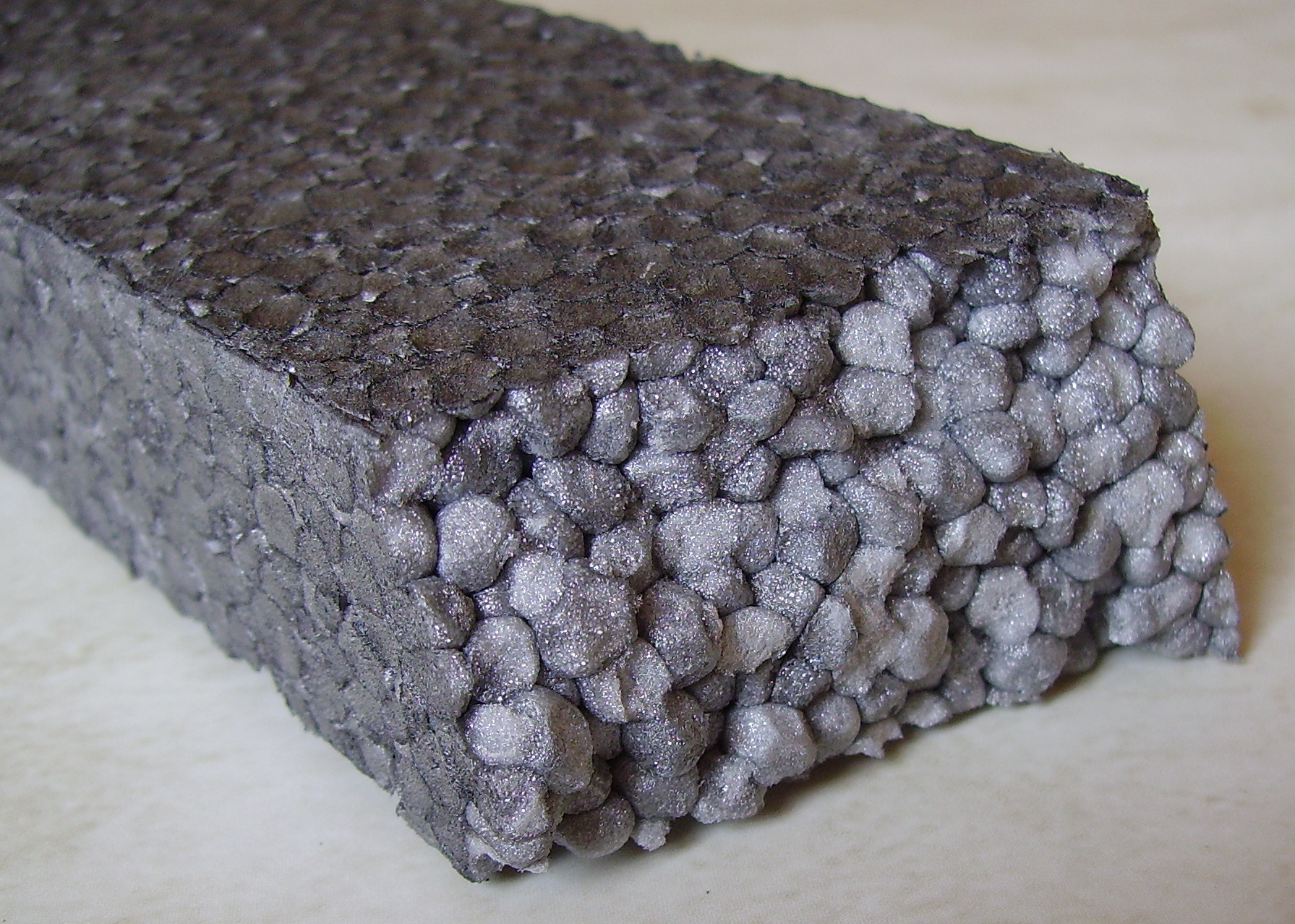
Two broad families dominate. Mineral boards, made from stone or glass wool, are non-combustible and let water vapour pass relatively freely. Polymer foam boards are lighter and often cheaper for the same thickness, but their fire behaviour and detailing requirements differ. The right choice depends on the height of the building, the condition of the wall and local fire rules, which is one reason this work is normally specified by a professional.
Internal insulation as an alternative
Not every wall can be insulated from outside. Listed facades, decorative brickwork and boundary walls that sit on the property line often rule it out. In those cases insulation can be added on the inside instead. Internal systems are more demanding because the original wall now sits on the cold side, so the build-up has to manage moisture carefully to avoid trapped condensation. Where it is used, the detailing of junctions and the choice of a suitable vapour-control approach become central.
Points to weigh before deciding
- The external appearance of the building and whether it is protected.
- The state of the existing wall and its ability to carry a new system.
- How thermal bridges at slabs and reveals will be handled.
- The minimum component requirements that apply when a wall is renovated.
When an exterior wall is substantially renovated in Germany, the Gebäudeenergiegesetz (GEG) sets a maximum U-value for the renewed component. The current text and its annexes are published by the Federal Ministry of Justice and can be consulted directly.
References: Gebäudeenergiegesetz (GEG), official text. Image: Wikimedia Commons.