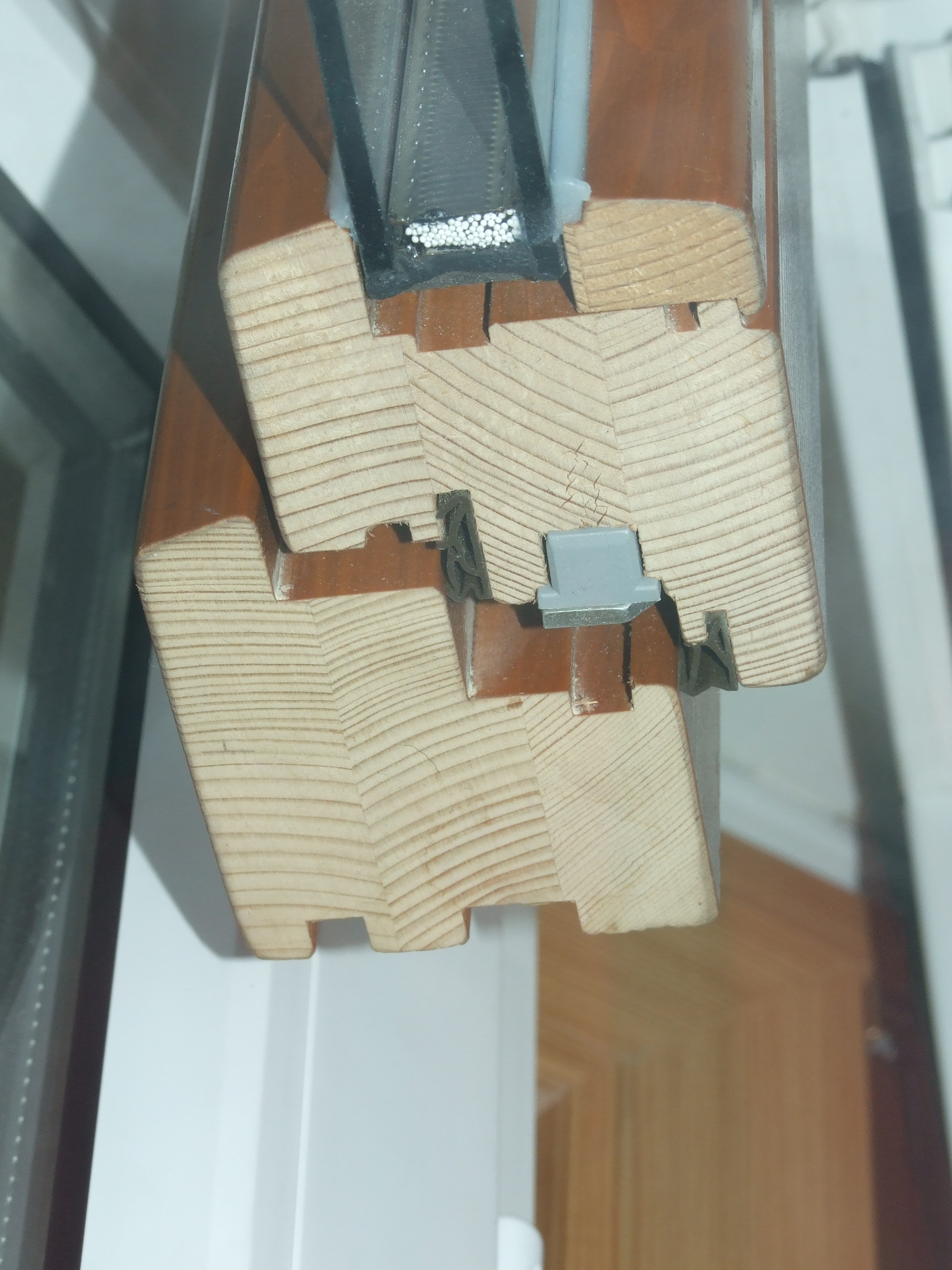
Windows are the most complex of the three main surfaces, because they combine glass, a frame and the join to the surrounding wall, and each part behaves differently. A window is also expected to let light and warmth in from the sun while keeping heat from escaping, which is a balance rather than a single target.
From single to triple glazing
Older houses often still have single panes or early double glazing. A modern insulating glass unit places two or three panes a set distance apart, with the gaps filled by a gas that conducts heat poorly and the panes coated with a thin low-emissivity layer. Adding a third pane lowers heat loss further, though it also makes the unit heavier and changes how much solar warmth passes through.
Reading the U-values
| Symbol | What it describes |
|---|---|
| Ug | The heat transmittance of the glass alone. |
| Uf | The heat transmittance of the frame alone. |
| Uw | The combined value for the whole window, glass and frame together. |
It is the Uw figure that describes the window as installed, so it is the one to compare between products. A unit with excellent glass but a poor frame will not reach its potential.
Frame materials
Frames are commonly made of timber, plastic, aluminium or a combination. Each balances thermal performance, maintenance and appearance differently. Timber and plastic frames tend to insulate well on their own, while aluminium frames rely on a thermal break inside the profile to limit heat flow. The right material often comes down to the look of the building and how exposed the windows are.
Even a high-quality window underperforms if the gap between frame and wall is not properly sealed and insulated. This join is a frequent thermal bridge and a common place for draughts, so the installation method is as important as the window itself.
Points to consider when replacing windows
- Compare products by their Uw value, not the glass value alone.
- Think about orientation: south-facing windows gain useful winter sun.
- Plan how the new frame meets any wall insulation around the opening.
- Remember that tighter windows change how a room is ventilated.
When windows are replaced in Germany, the GEG sets a maximum U-value for the new units. The current requirements are listed in the official text of the act.
Continue with related topics
External wall insulation (WDVS) → Roof and attic insulation → Back to all topics →References: Gebäudeenergiegesetz (GEG), official text. Image: Wikimedia Commons.