
Walls
Wall insulation and the WDVS system
External composite systems, internal insulation and cavity options, and how each affects an older masonry house.
Where heat escapes a house, how it can be slowed, and which methods suit older and newer buildings in Germany. Walls, roofs and windows, explained without jargon.
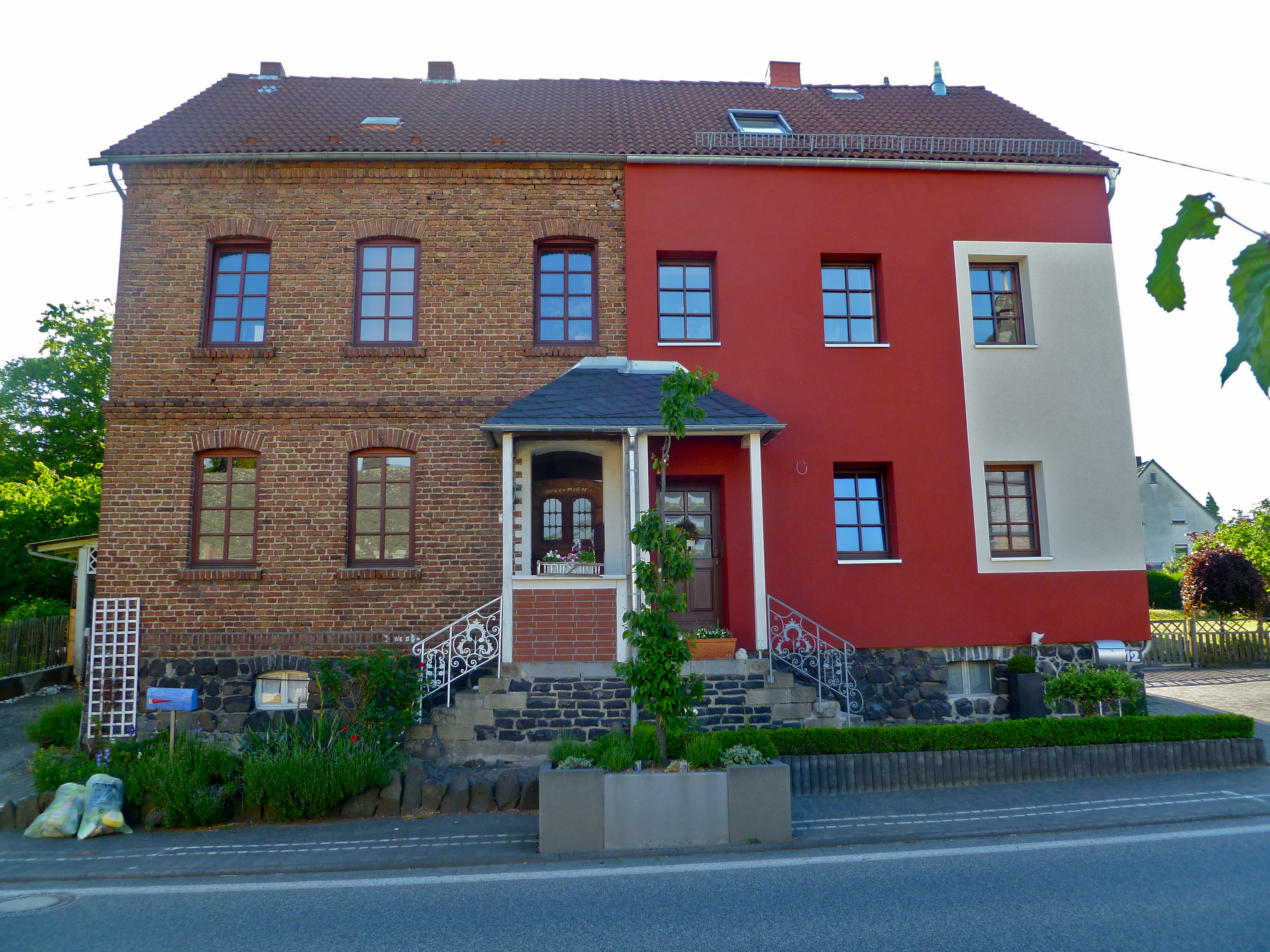
In a typical detached or semi-detached German house, the largest share of heat leaves through the outer walls, the roof and the windows. Each surface calls for a different approach.
External composite systems, internal insulation and cavity options, and how each affects an older masonry house.

Rafter, between-rafter and top-floor-ceiling insulation, plus the moisture details that decide whether a roof stays dry.
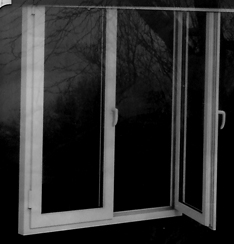
Double versus triple glazing, frame materials, the Uw value, and why the join between frame and wall matters.
Most German product sheets and energy assessments use the same vocabulary. Understanding these makes the rest of the topic far easier to follow.
The thermal transmittance of a component, in W/(m²·K). A lower U-value means the surface loses heat more slowly. It is the figure quoted for walls, roofs and glazing.
A localised path where heat moves more easily than through the surrounding surface, such as a balcony slab or window reveal. These spots also tend to attract condensation.
The Gebäudeenergiegesetz, Germany's Buildings Energy Act, sets minimum requirements for components when buildings are renovated or extended. The official text is published online.
German builders' merchants stock a wide range of materials. They differ in thermal performance, fire behaviour, moisture handling and price.

Widely used in roofs and timber-frame walls. It is non-combustible and lets water vapour pass, which suits many ventilated build-ups.
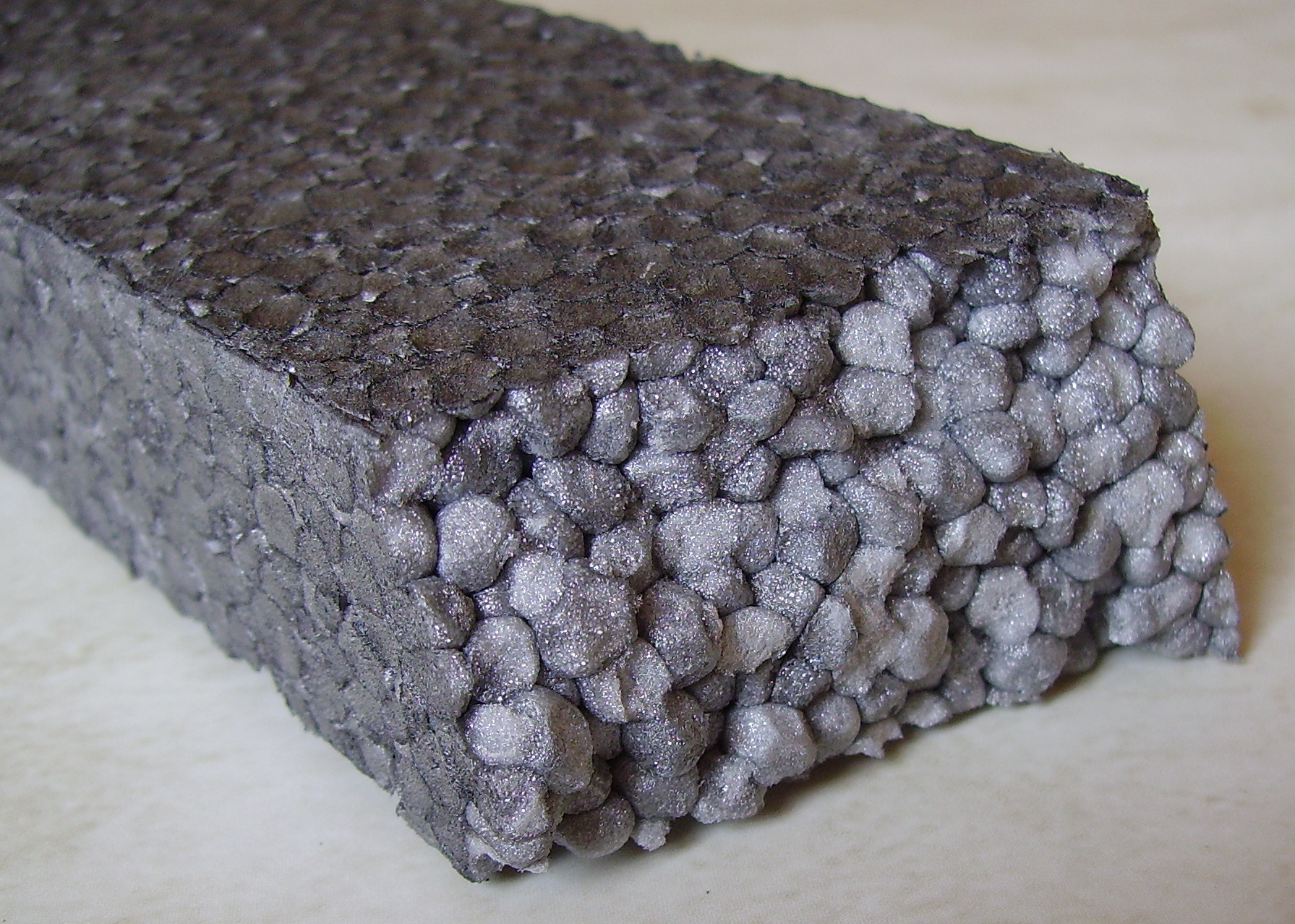
Rigid panels are the core of most external wall systems. The choice between mineral and polymer boards changes both fire rating and cost.
If something on these pages is unclear or you have spotted an error, send a note using the form. Messages are read by the editorial team.
Email editor@brickharvestco.eu
Postal BrickHarvest Editorial, Postfach, Berlin, Germany
Languages English, German